



Raw materials
A substrate is only as good as the raw materials it is built from. For each material you can see what it contributes to air, water, structure and pH, and what to watch for when mixing.


Base materials
Scale 1 (low) to 5 (high), indicative
-
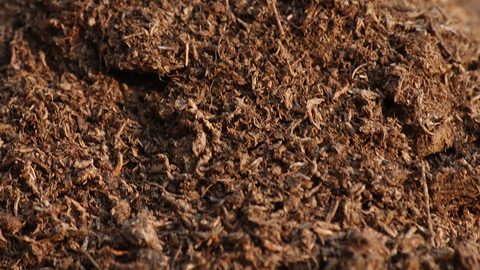
White peat
Lightly decomposed sphagnum peat from the upper peat layer.
- Contains peat
- pH effect: lowers ph
- In 6 products
- Air
- Water
- Structural stability
- Sustainabilityindicative in-house estimate
-
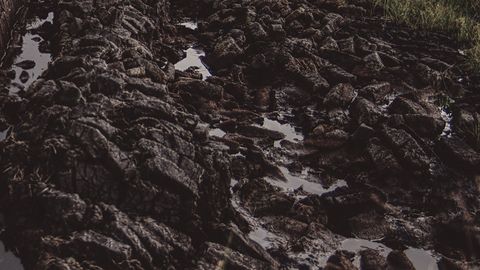
Black peat
More strongly decomposed peat from deeper layers.
- Contains peat
- pH effect: lowers ph
- In 3 products
- Air
- Water
- Structural stability
- Sustainabilityindicative in-house estimate
-
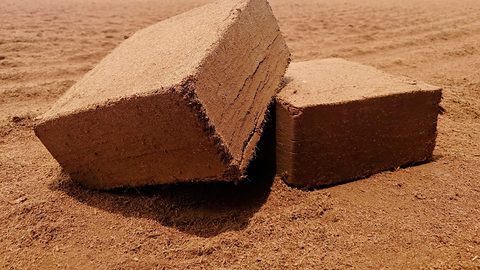
Fine coir (coir pith)
The fine pith from the coconut husk.
- Peat-free
- pH effect: neutral
- In 9 products
- Air
- Water
- Structural stability
- Sustainabilityindicative in-house estimate
-
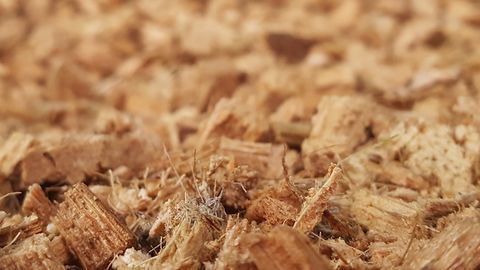
Coarse coir (fibre & chips)
Coarse coir fibres and chips from the same husk.
- Peat-free
- pH effect: neutral
- In 6 products
- Air
- Water
- Structural stability
- Sustainabilityindicative in-house estimate
-
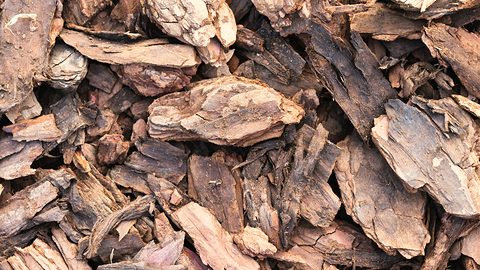
Bark
Composted or aged tree bark, usually from softwood.
- Peat-free
- pH effect: lowers ph
- In 5 products
- Air
- Water
- Structural stability
- Sustainabilityindicative in-house estimate
-
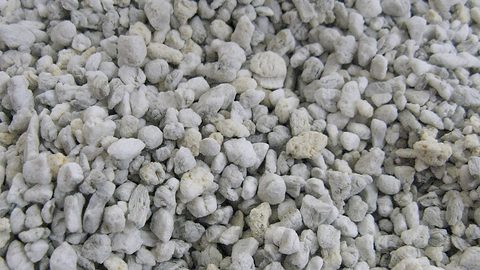
Perlite
Volcanic rock that is expanded by heating into light, white granules.
- Peat-free
- pH effect: neutral
- In 4 products
- Air
- Water
- Structural stability
- Sustainabilityindicative in-house estimate
-
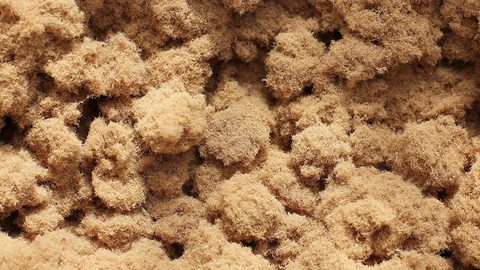
Wood fibre
Fibres from untreated softwood, separated mechanically.
- Peat-free
- pH effect: neutral
- In 8 products
- Air
- Water
- Structural stability
- Sustainabilityindicative in-house estimate
Additives
Scale 1 (low) to 5 (high), indicative
-
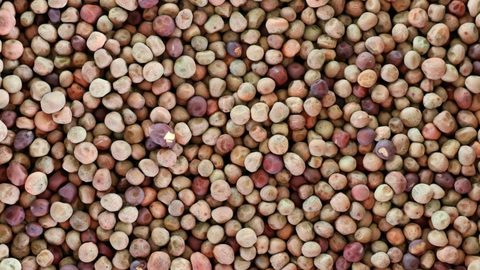
NPK base fertiliser 14-16-18
Water-soluble compound fertiliser with trace elements, mixed in at kilos per cubic metre.
-
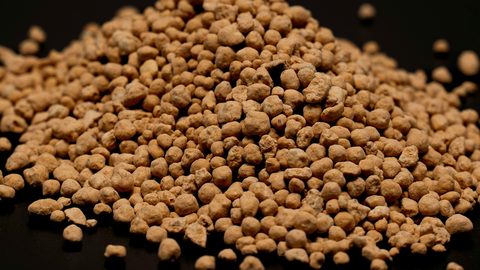
Coated controlled-release fertiliser
Fertiliser granules with a coating that releases nutrients gradually, depending on temperature.
-
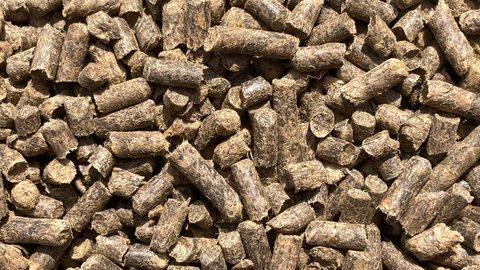
Organic fertiliser
Fertiliser made from plant and/or animal by-products.
-
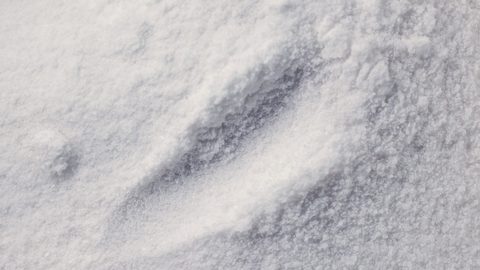
Lime (dolomite)
Ground dolomite lime containing calcium and magnesium.
-
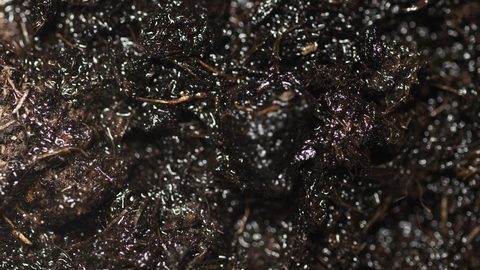
Wetting agent
Surfactant that makes a substrate take up water evenly, even when it has (partly) dried out.
-
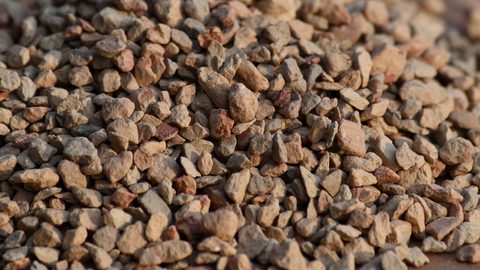
Clay (granules)
Fine clay granules used as an additive.


